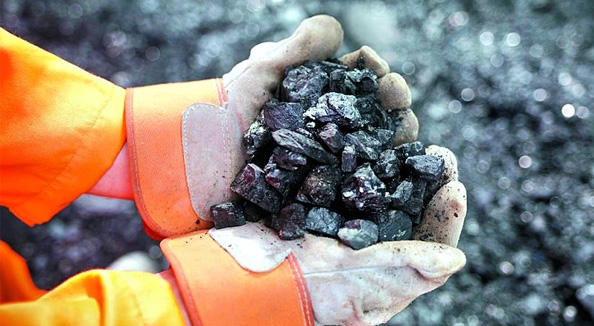
The world's iron ore resources are mainly concentrated in countries such as Australia, Brazil, Russia, Ukraine, Kazakhstan, India, the United States, Canada, and South Africa. As the world's largest consumer of iron ore, China has a considerable amount of iron ore reserves, but unfortunately, the quality is relatively low. From an industrial economic perspective, it is more cost-effective to import iron ore from countries like Australia and Brazil, which are rich in high-grade iron ore. Iron ore that can be directly fed into a steel-making furnace for steel production was formerly known as "open-hearth rich ore", while iron ore suitable for direct use in iron-making was called "blast furnace rich ore", both carrying the word "rich". These rich ores are preferably magnetite and hematite, with iron content above 70%. Poor ores or those with excessive harmful impurities need to undergo beneficiation first, which significantly increases the cost. The classification of iron ore is extremely complex, and it can be categorized from various perspectives such as main components, harmful impurities, structural forms, and types of gangue. Each perspective can yield numerous subcategories. The selection of which type to use in industry and the corresponding process flow involve a great deal of expertise and are a vast field of study. Beijing University of Science and Technology, Central South University, Northeastern University, and Anhui University of Technology are all dedicated to research in the field of steel.


